
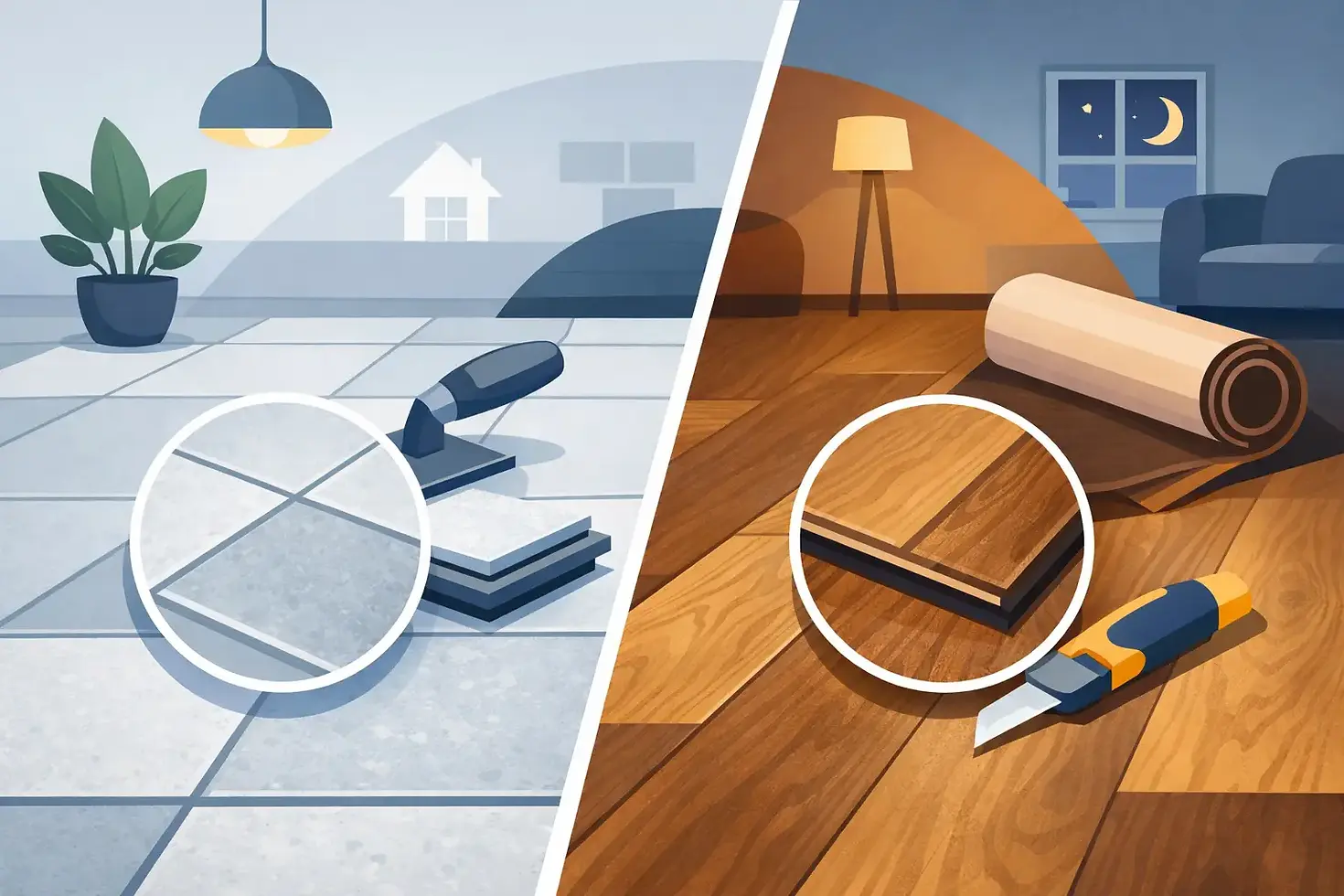
Tile Versus Vinyl Flooring for Your Home

A floor can look perfect in a showroom and feel completely wrong after a few weeks of real life. Cold tile under bare feet, a dent near the refrigerator, wet shoes by the back door, sand tracked in from the shore - these are the details that should shape your decision. When comparing tile versus vinyl flooring, the better option depends less on trends and more on the room, the household, and how long you plan to keep the space.
Both materials can work beautifully in a South Jersey home, rental property, office, or vacation home. They are also both practical choices for areas where moisture, busy foot traffic, and easy cleaning matter. The difference is how each material handles those demands over time.
Tile Versus Vinyl Flooring: The Everyday Difference
Tile is a hard-surface material installed in individual pieces with grout between the joints. Ceramic and porcelain are the most common options for residential floors. Porcelain is denser and typically better suited to high-moisture or high-traffic areas, while ceramic can be an attractive, budget-conscious choice for many interior rooms.
Vinyl flooring is a resilient surface available in sheets, planks, and tiles. Luxury vinyl plank, often called LVP, is especially popular because it can mimic hardwood. Luxury vinyl tile, or LVT, can create the look of stone or ceramic tile with a softer feel underfoot. Modern vinyl comes in a wide range of colors, textures, and patterns, so it is no longer limited to the dated looks many homeowners remember.
The simplest distinction is this: tile is generally harder, longer-lasting, and more rigid. Vinyl is warmer, quieter, and often easier to install. Neither is automatically the right answer for every room.
Durability Depends on What Your Floor Faces
For long-term resistance to scratches, water, and wear, porcelain tile is difficult to beat. It handles pet nails, dropped utensils, wet towels, and daily traffic without showing much damage. A properly installed tile floor can last for decades, making it a strong investment for a forever home or a bathroom renovation where durability is a priority.
Tile does have one major vulnerability: impact. Drop a heavy cast-iron pan or a hard object in just the wrong spot, and a tile can crack or chip. Replacing an individual tile is possible when extras are available, but a matching replacement may be difficult to find years later. Grout also needs attention. It can discolor, collect dirt, or develop cracks if the floor moves or the installation was not properly prepared.
Vinyl holds up well to normal household use and is more forgiving when something falls. It will not crack like tile, and its flexible surface can be a practical choice for homes with young children, older adults, or pets. Quality vinyl products are water-resistant or waterproof, but that does not mean every installation is protected from every kind of water problem. Water can still reach the subfloor through unsealed edges, damaged seams, or flooding.
Vinyl is more likely to dent, gouge, or tear than tile. Heavy furniture, rolling office chairs, and appliances can leave marks if the flooring is not protected. Direct sun can also fade some vinyl products over time, particularly in bright rooms with large windows. For a busy rental or family room, choosing a commercial-grade wear layer and using furniture pads can make a noticeable difference.
Comfort, Sound, and Temperature Matter More Than You Think
Tile feels solid and cool. In a bathroom, mudroom, or shore property where sand and humidity are regular guests, that can be a benefit. Tile is easy to clean and stays cooler in warm weather. It is also an excellent match for radiant floor heating, which can turn a cold bathroom floor into one of the most comfortable parts of the home.
Without radiant heat, tile can be uncomfortable during colder South Jersey months. It is hard underfoot, which may not be ideal for someone who spends long periods cooking or standing at a bathroom vanity. Rugs and anti-fatigue mats help, but they change the look and require their own upkeep.
Vinyl has more give and tends to feel warmer because it does not transfer temperature as quickly as tile. It also absorbs sound better, which can be helpful in bedrooms, home offices, upstairs rooms, and multi-level homes. If you want a quieter floor that feels less demanding on feet and joints, vinyl has a clear advantage.
Where Tile Usually Makes the Most Sense
Tile is a natural fit for bathrooms, laundry rooms, entryways, and areas that routinely see moisture. It is also a smart choice for kitchens when you value a high-end finish and expect to keep the flooring for many years. Large-format porcelain tiles, wood-look tile, and natural stone-inspired designs can give a room a clean, tailored appearance that supports a major renovation.
A tiled shower floor or bathroom floor is particularly practical because properly installed tile can handle daily water exposure. The key phrase is properly installed. Tile needs a stable, level base and the right waterproofing details beneath it. A beautiful tile selection cannot overcome poor substrate preparation, uneven spacing, or rushed grout work.
For a primary residence, tile can be worth the higher upfront investment when the room calls for it. It also adds a sense of permanence in a renovated bathroom, foyer, or kitchen.
When Vinyl Is the Better Call
Vinyl is often the better fit when you need an attractive, durable floor with a faster installation timeline and a more manageable budget. It works well in living rooms, bedrooms, finished basements, offices, kitchens, and rental units. It can also be useful when the subfloor has minor imperfections that would require more extensive preparation before tile installation.
Waterproof vinyl is a popular option for finished basements and shore homes, where humidity and occasional moisture concerns are part of the equation. It gives property owners a wood or stone look without the maintenance demands of natural materials. For investment properties, vinyl can be especially practical because damaged sections may be easier and less expensive to replace than a larger tile repair.
Vinyl is not a shortcut if the goal is a quality result. The subfloor still needs to be clean, dry, and properly prepared. Transitions at doorways, appliance clearances, baseboards, and floor-height changes need planning. A floor that is installed quickly but finished poorly can look uneven around the edges and create problems later.
Cost Is More Than the Price Per Square Foot
Vinyl usually has a lower material and installation cost than tile. It can often be installed over certain existing floors, reducing demolition and labor. That can make it appealing for a quick refresh, a rental turnover, or a project with several rooms.
Tile typically costs more because installation is more labor-intensive. The work may include removing old flooring, leveling the subfloor, installing an underlayment or waterproofing system, setting tile, cutting edge pieces, grouting, and sealing where appropriate. Smaller rooms can be especially detail-heavy because there are more cuts around toilets, vanities, doors, and corners.
The right comparison is not just initial price. Consider how long you expect the floor to last, whether the room gets wet, how likely it is to take heavy impacts, and what level of maintenance you are comfortable with. Spending less on vinyl can be the smart move in one space. Spending more for tile can be the smarter long-term decision in another.
Design Should Support the Whole Room
Flooring should work with the cabinets, wall color, lighting, and layout rather than compete with them. A tile that is too busy can make a small bathroom feel crowded. Vinyl planks with an exaggerated grain pattern can look artificial beside real wood trim. Samples should be viewed in the actual room, at different times of day, before a final choice is made.
For bathrooms and kitchens, it also helps to coordinate flooring with backsplash tile, shower finishes, countertops, and hardware. A professional in-home consultation can prevent the common mistake of choosing each element separately and ending up with finishes that almost match but do not quite work together.
Vesta Home Co. helps homeowners sort through those decisions with a clear scope of work, practical design guidance, and installation that accounts for the details beneath the finished surface.
A good floor does more than photograph well on installation day. Choose the one that fits how you live, how the room is used, and what you want that space to feel like every time you walk in.


Comments